


By: Frances Shefter, Esq.
School refusal is one of the hardest things to navigate as a parent. It’s emotional, confusing, and often misunderstood. As both a special education attorney and a parent of two children with IEPs, I’ve seen this issue from both sides. And what I can tell you is this: school avoidance is rarely about a child not wanting to go. It’s usually about a child who feels like they can’t.
My daughter has Autism with a Pathological Demand Avoidance (PDA) profile — more accurately described as a Persistent Drive for Autonomy. She understands her diagnosis and the challenges that come with it. She knows that when demands feel overwhelming, her nervous system reacts in a way that can make even things she wants to do feel impossible in that moment.
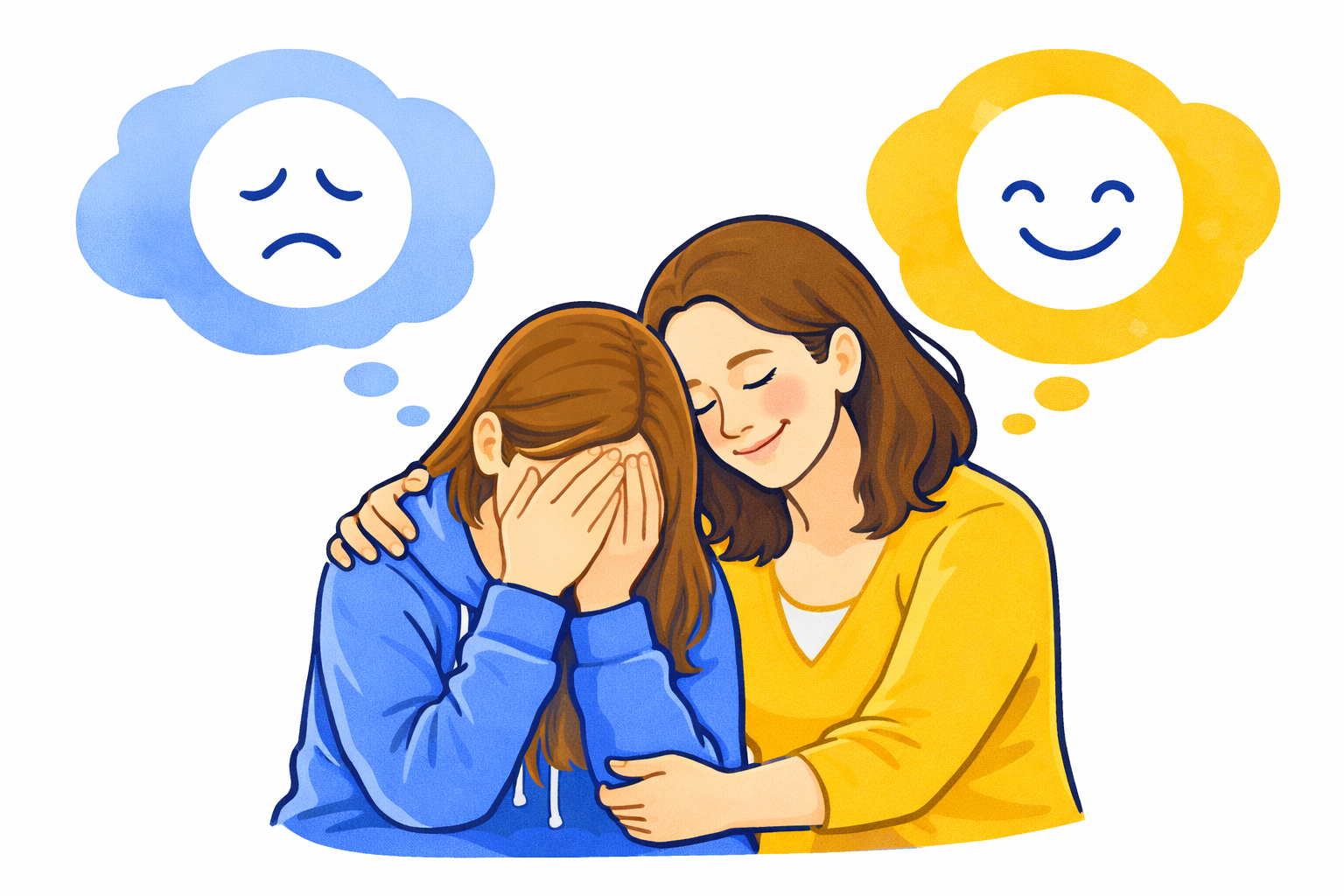
One morning, my daughter was crying in bed. She told me she wanted to go to school. She didn’t want to fall behind in her schoolwork. She cared. But at the same time, she felt like she just couldn’t do it. Emotionally, she was a wreck.
In that moment, I had a choice. The attorney part of me understood the pressure—attendance expectations, school policies, the importance of consistency. But the parent in me knew something else just as clearly: making her go to school that day was going to be a disaster.
So, she stayed home.
We spent that day talking. Not rushing. Not forcing. Just talking. We talked about how sometimes she can handle school, and sometimes she can’t. And that doesn’t mean she isn’t trying. It means she is dealing with something real that we need to respect and understand.
At some point in that conversation, I asked her a simple question. I said, “Would it help if you knew that you could call me at any point during the school day, and I would come get you?”
She said yes.
That idea actually came from a client of mine. She had shared that she gave her child that same option. At first, her child called often. But over time, the calls became less frequent. The safety of knowing there was a way out made it possible for her child to stay.
We decided to try it.
And it worked.
My daughter now calls maybe once or twice a month. She stays home about once a month. And for us, that works. It’s not perfect attendance. It’s not what schools typically aim for. But it is progress. It is sustainable. And most importantly, it supports her mental health.
Her IEP also plays a critical role. She has supports in place that allow her to succeed academically even with these challenges. For example, her assignments are shortened to focus on showing mastery, and homework is minimized. These supplementary aids and services make a real difference. They allow her to keep up with her learning without being overwhelmed, and her grades remain strong.
But here is the most important lesson I’ve learned through all of this: mental health is more important than grades.
Always.
A child who is emotionally overwhelmed cannot learn. A child who feels pushed beyond their limits does not build resilience—they shut down. School refusal is not a behavior problem to fix. It is a signal. It can reflect anxiety, unmet needs, lack of appropriate supports, or an environment that feels too overwhelming. When we treat it as defiance, we miss what the child is actually telling us.
What helped my daughter wasn’t pressure. It was trust. It was knowing she had support, flexibility, and a way out if she needed it. That safety is what made it possible for her to try.
For families navigating school refusal, this experience can feel isolating and overwhelming. You may be getting calls from the school. You may feel judged or unsure of what to do next. But you are not alone, and there are ways to approach this that both support your child and move things forward.
At Shefter Law, this is exactly the perspective we bring to our work. I personally train our team not only in the legal framework of special education, but in understanding what families are truly experiencing. We know how to advocate for appropriate supports, services, and placements. But we also understand what it feels like to sit next to your child when they are crying and simply cannot walk through those school doors. That combination of legal expertise and real parent perspective allows us to approach each case with both strategy and empathy—and to help families find solutions that actually work for their children.